ALEX LOCKWOOD
INTERVIEW
PhotographED IN NASHVILLE
by Skye Parrott
WHEN MARCEL DUCHAMP PLACED A BICYCLE WHEEL ATOP A KITCHEN STOOL IN 1913 AND DECLARED HIS SCULPTURE COMPLETE, HE IMBUED THESE “FOUND OBJECTS” WITH NEW, ELEVATED IDENTITIES. THE PROVOCATIVE CREATION RANKLED HERALDED DISTINCTIONS OF ART AND OBJECT AND, DESPITE A CHILLY RECEPTION, SITUATED THE CONCEPT OF OBJET TROUVE SECURELY IN THE ANNALS OF ART HISTORY
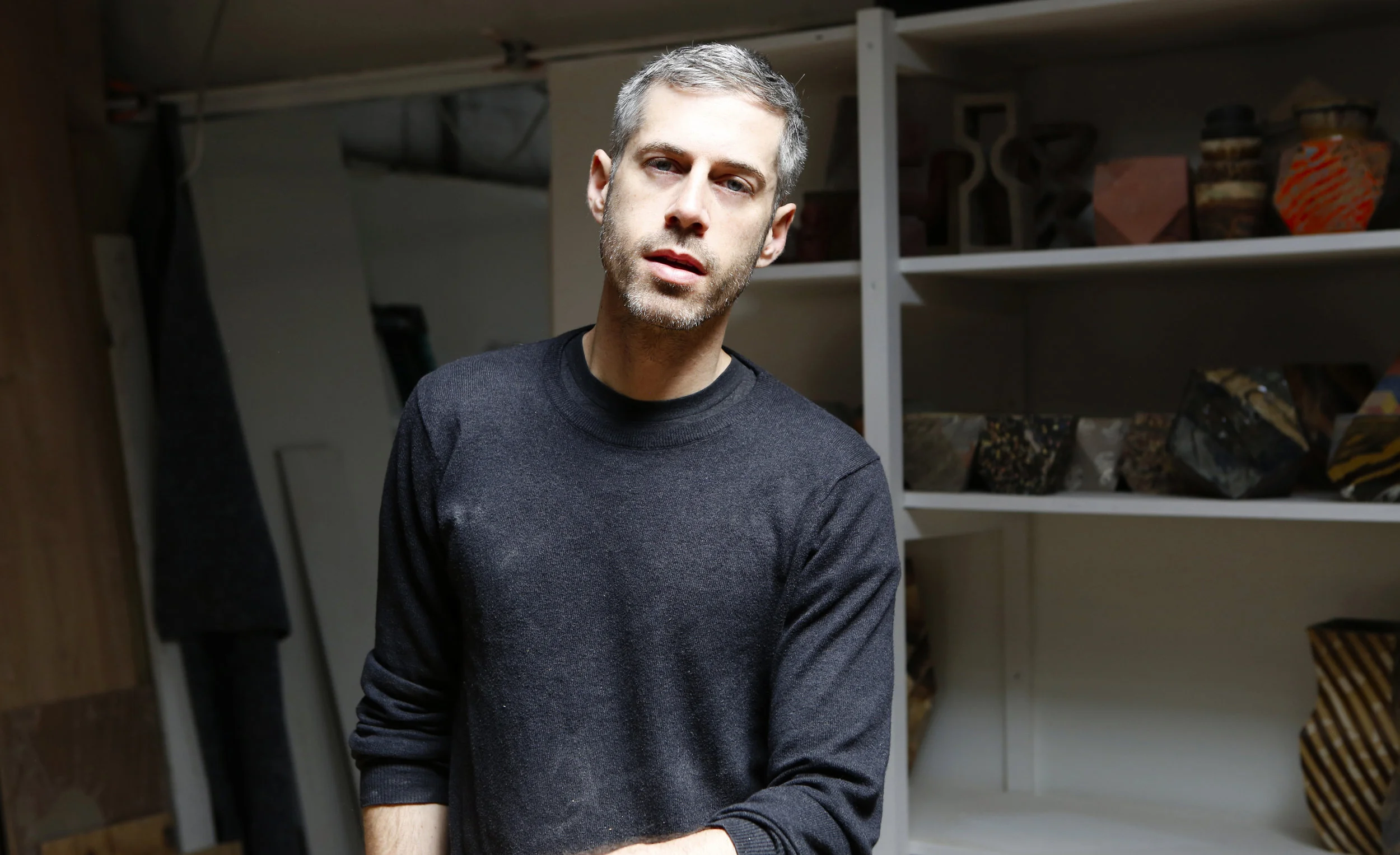
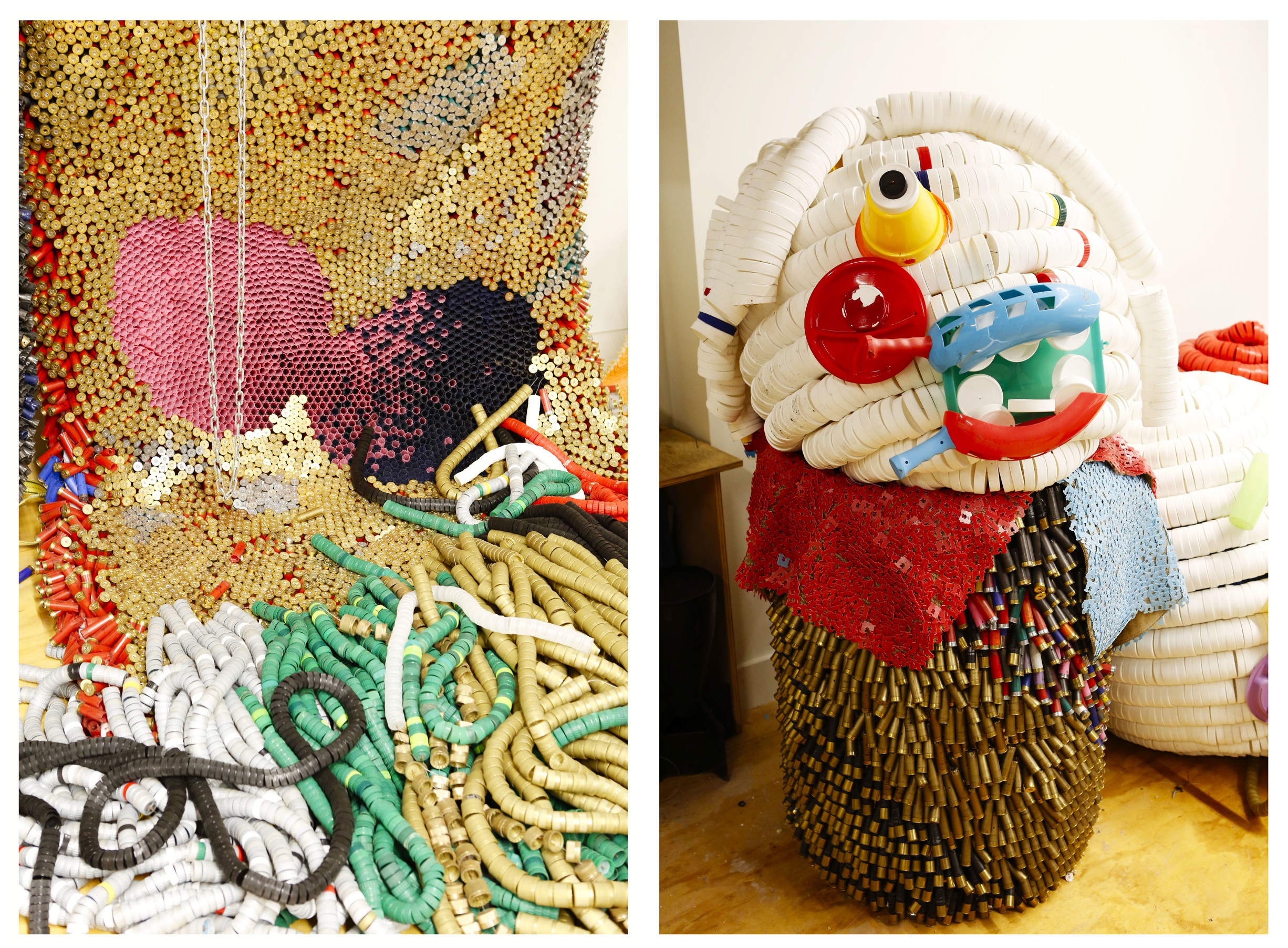
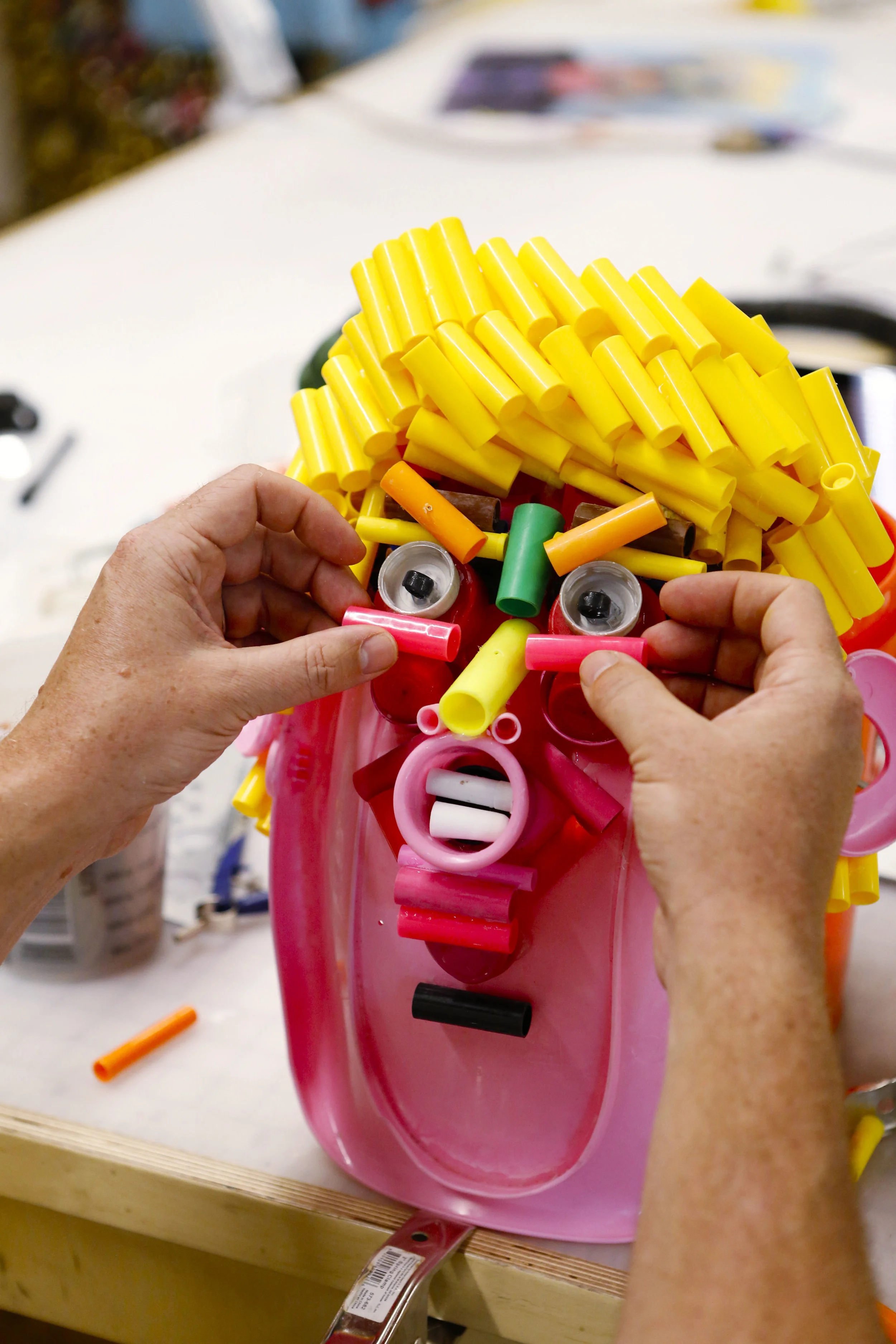
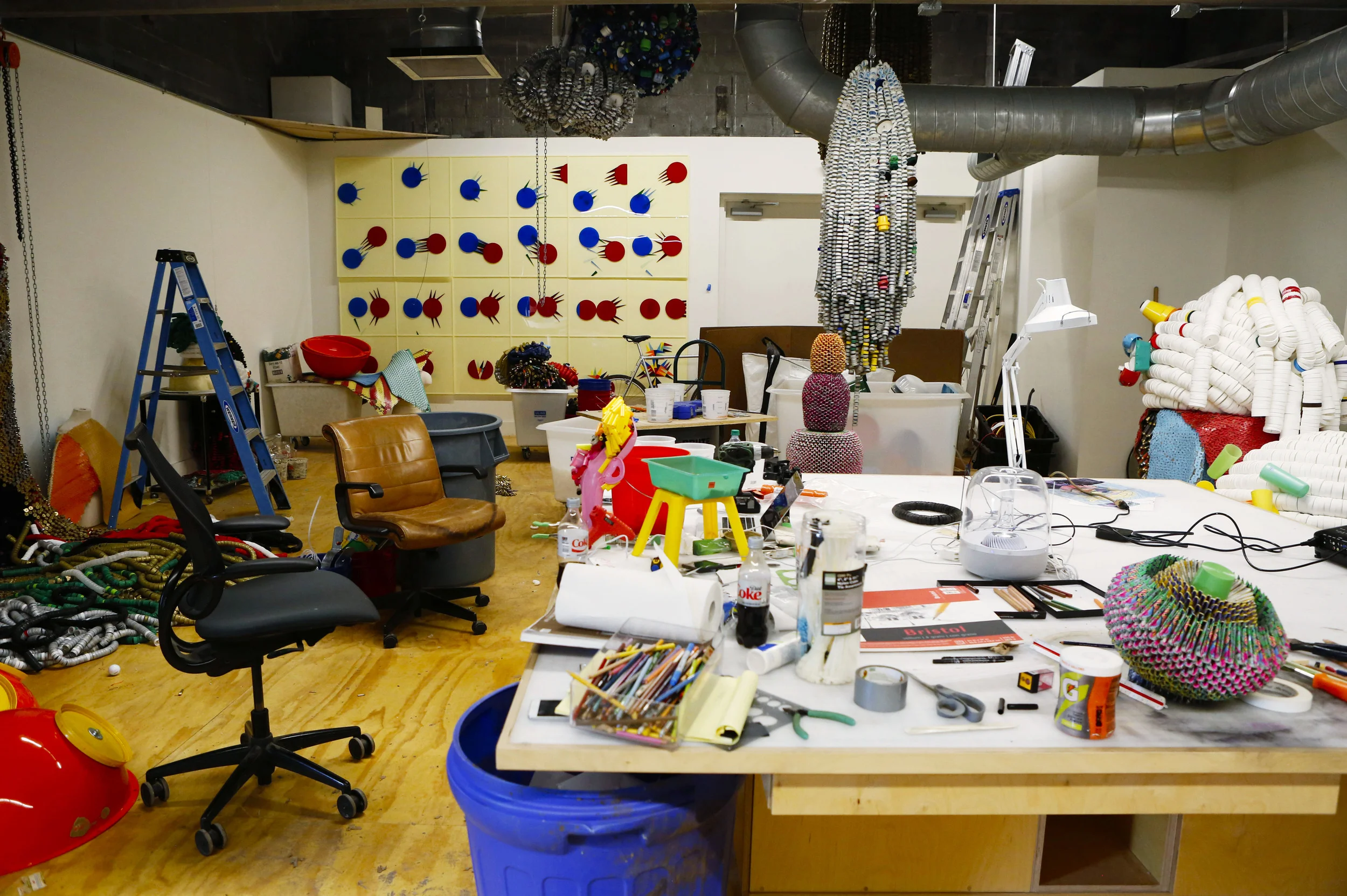
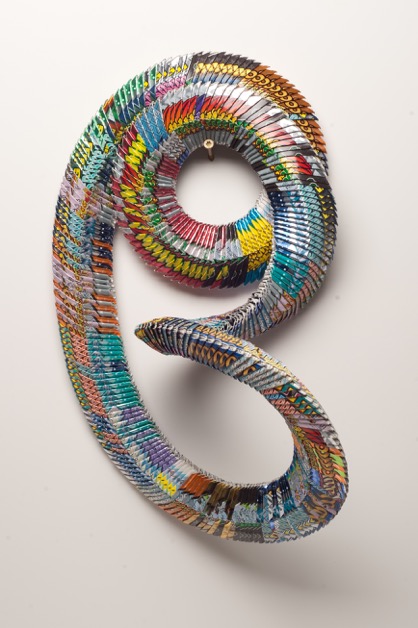
Three generations on, in an era in which climate change has evolved from prophesy to reality, Nashville-based artist Alex Lockwood’s take on found-object works rings as loudly of conscientiousness as subversion. Where Duchamp regularly appropriated industrial objects, Alex commandeers “trash,” discarded, usually mass-produced colorful materials (lotto tickets, bottle caps, bullet casings), and transforms them into abstract, often large-scale sculptures. By repurposing found objects destined for landfills or an afterlife as atmospheric gas, Alex engages a zeitgeist that confronts issues like global warming and gun violence with the hope of building a better world, which as a father of two and co-owner of the children’s store Arcade is clearly at the forefront of his mind.
WHAT DO YOU DO BEST?
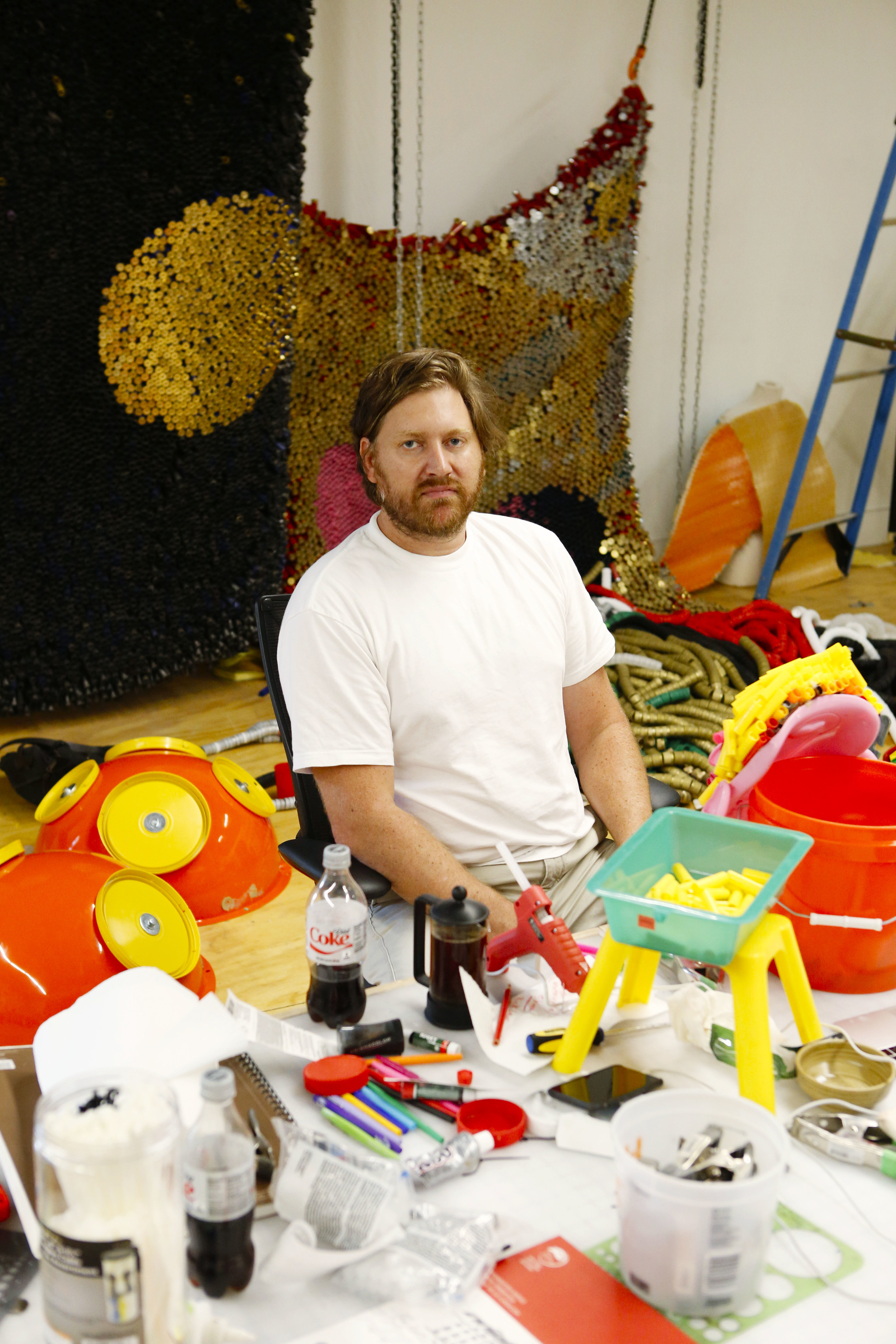
Work alone on labor intensive and time consuming projects. I have a noisy mind but when my hands are busy I have a quiet mind.
A SUMMER MORNING SONG
SOMETHING IMPORTANT TO YOU
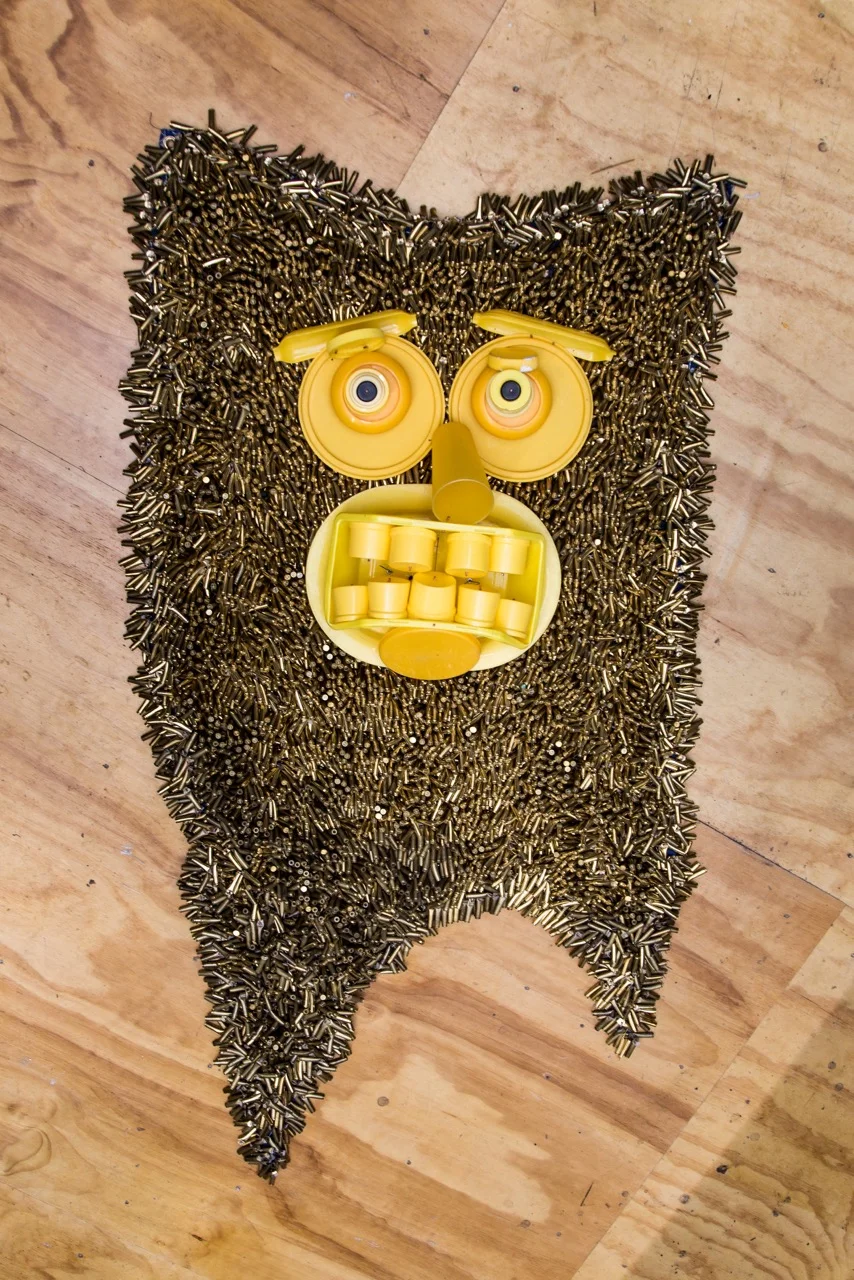
I’m part of a show about gun violence at the Julia Martin Gallery in October. I think the number of guns in the hands of idiots and the mentally ill is criminal. Gun suicides especially bother me - they far outnumber gun homicides in this country. Twenty-two veterans commit suicide each day - one every 65 minutes. We have a broken relationship to guns in this country.
WHAT DRAWS YOU TO OTHERS' DISCARDED ITEMS?
The feeling of collecting. Years ago I was in Alaska at an abandoned cannery on a small island. The whole camp - factory, housing, cafeteria, etc — had been eroding into the ocean for decades. The beach was blanketed with detritus. I spent a day gathering and arranging the pieces that attracted me. I had no sense of time passing, no self consciousness, just joy. I still feel that way today.
PERFECT COOL
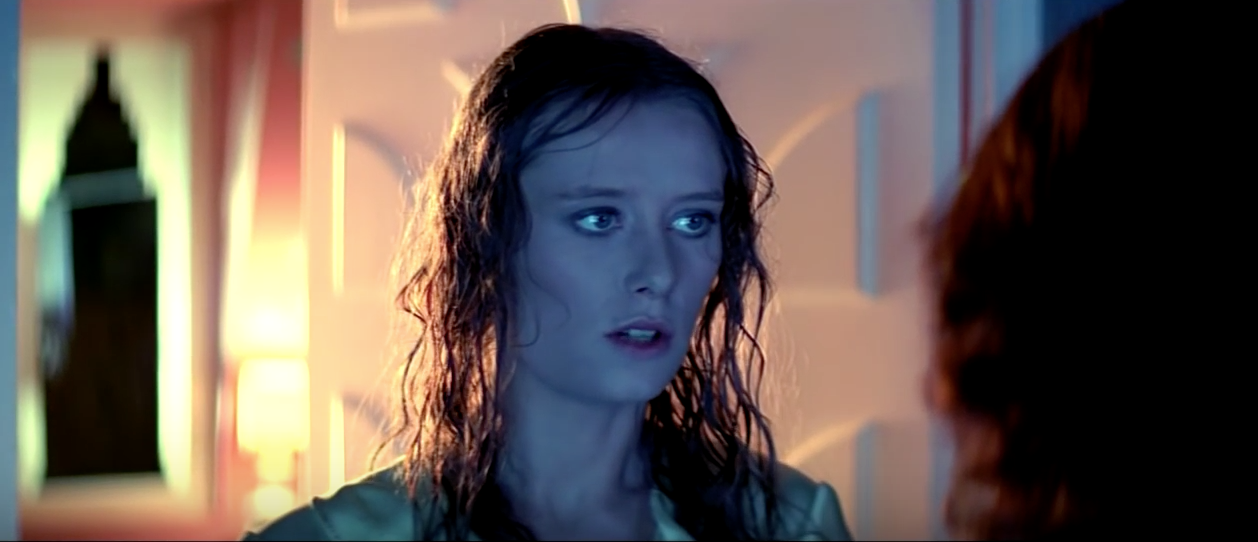
A NASHVILLE MOMENT
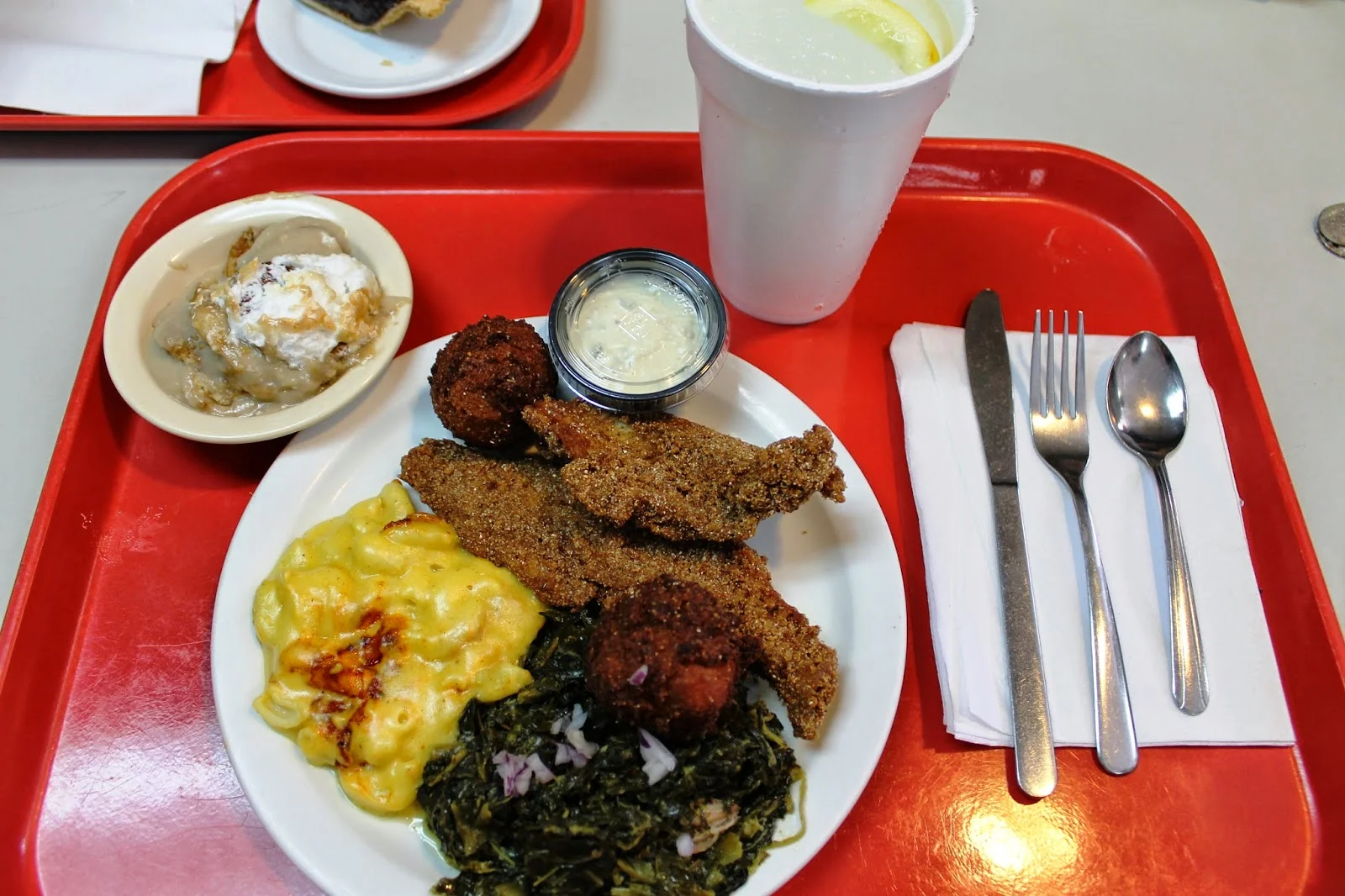
A NEW YORK MOMENT
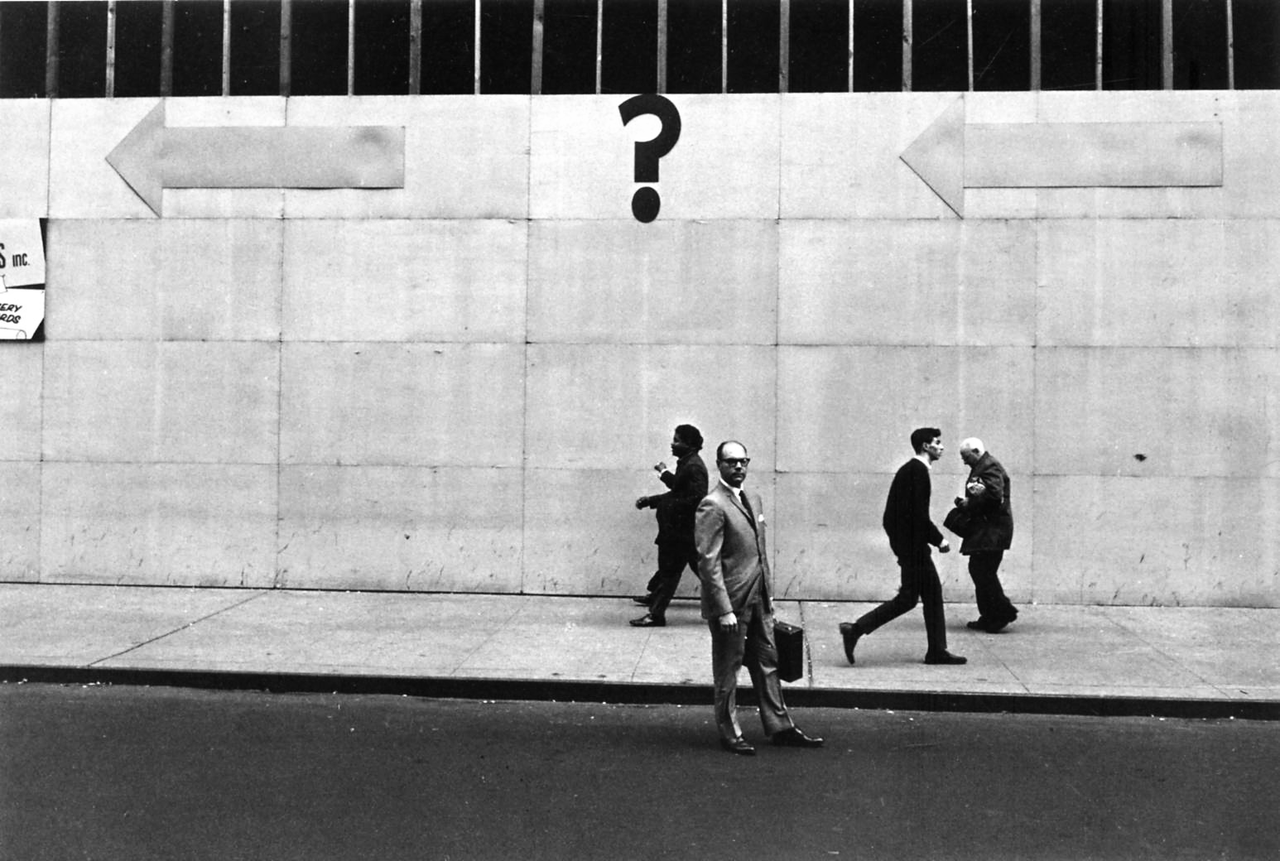
A SONG YOU HAVE LISTENED TO 10 TIMES IN A ROW
A NEW BEGINNING
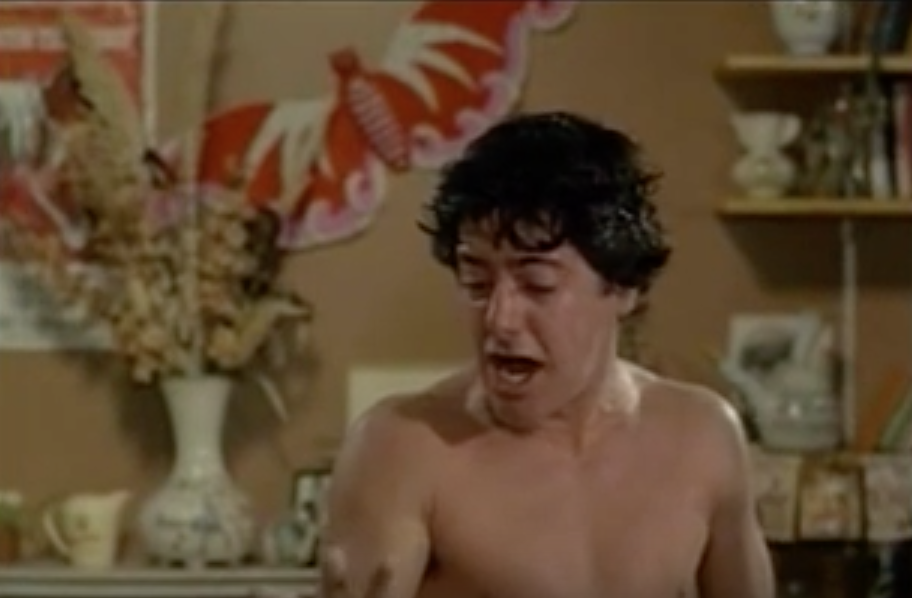
WHAT DO YOU CONSIDER TO BE THE FIRST "GOOD" ARTWORK YOU MADE?
Here’s a drawing from 1983 that I would be happy to make today.
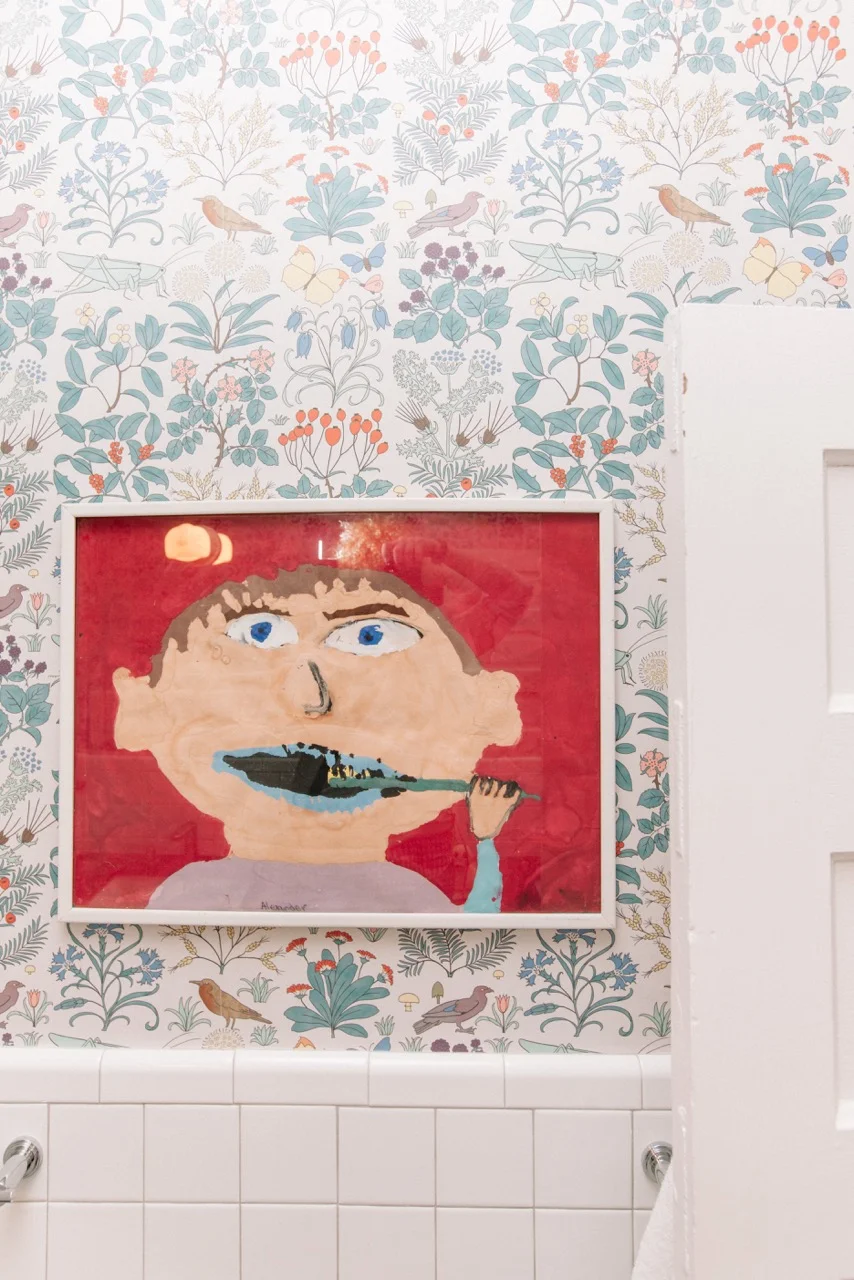
My next successful work came around 2005. I was living in New York, walking and shooting pictures on the streets of Brooklyn. But I knew good pictures and mine weren’t. Then I started collecting what i had been photographing: lottery tickets, dead lighters, bottle caps, playing cards. If it got my attention I picked it up. If it kept my attention I started a collection.
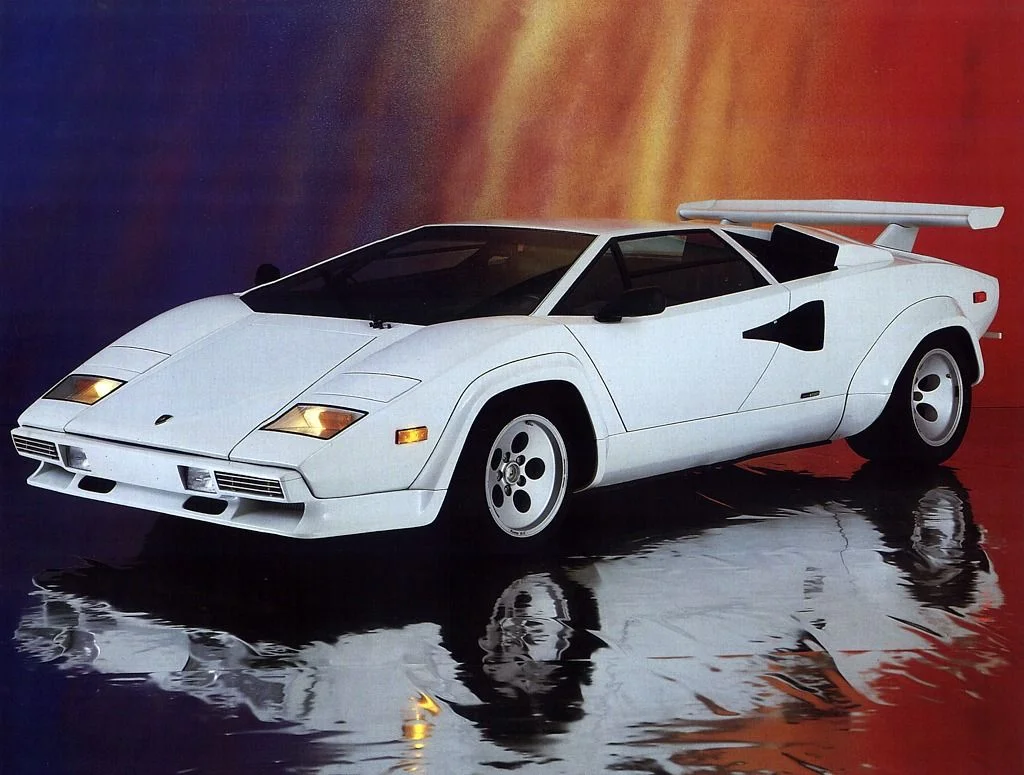
AN IMAGE THAT WAS ON YOUR WALL AS A TEENAGER
A SONG TO WORK TO
WHERE YOU GREW UP
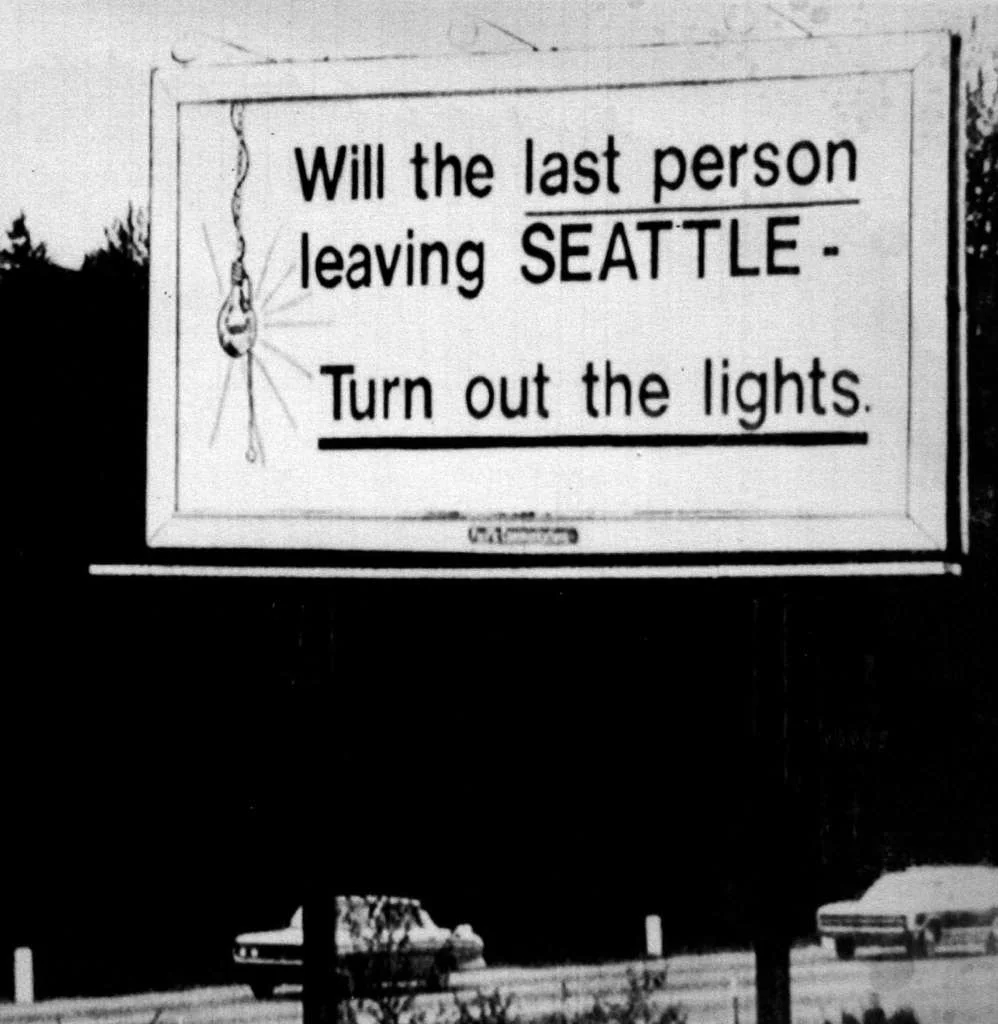
THE FUTURE
A ROAD TRIP MOMENT
YOU HAVE BEEN DESCRIBED AS A "SELF-TAUGHT" ARTIST. WHAT DOES THAT MEAN TO YOU?
First it means that I didn’t go to art school. I took art classes in elementary school but not since.
It also describes why I do this: because it came from inside of myself. I have always been overly influenced by others, especially teachers. I connect to what they believe then struggle to find a voice that is distinct from theirs. This is the subject of my Dot Story work. As an artist I was, and am, my own teacher, and my voice is clear.
Lastly, one day I hope to be part of the tradition of great self-taught American artists — Eugene Von Breuchenhein, Simon Rodia and Howard Finster among them — all fearless and with limitless imagination.
A SONG FROM THE FIRST ALBUM YOU OWNED
YOUR TRUE SELF
A PERSON YOU LOVE
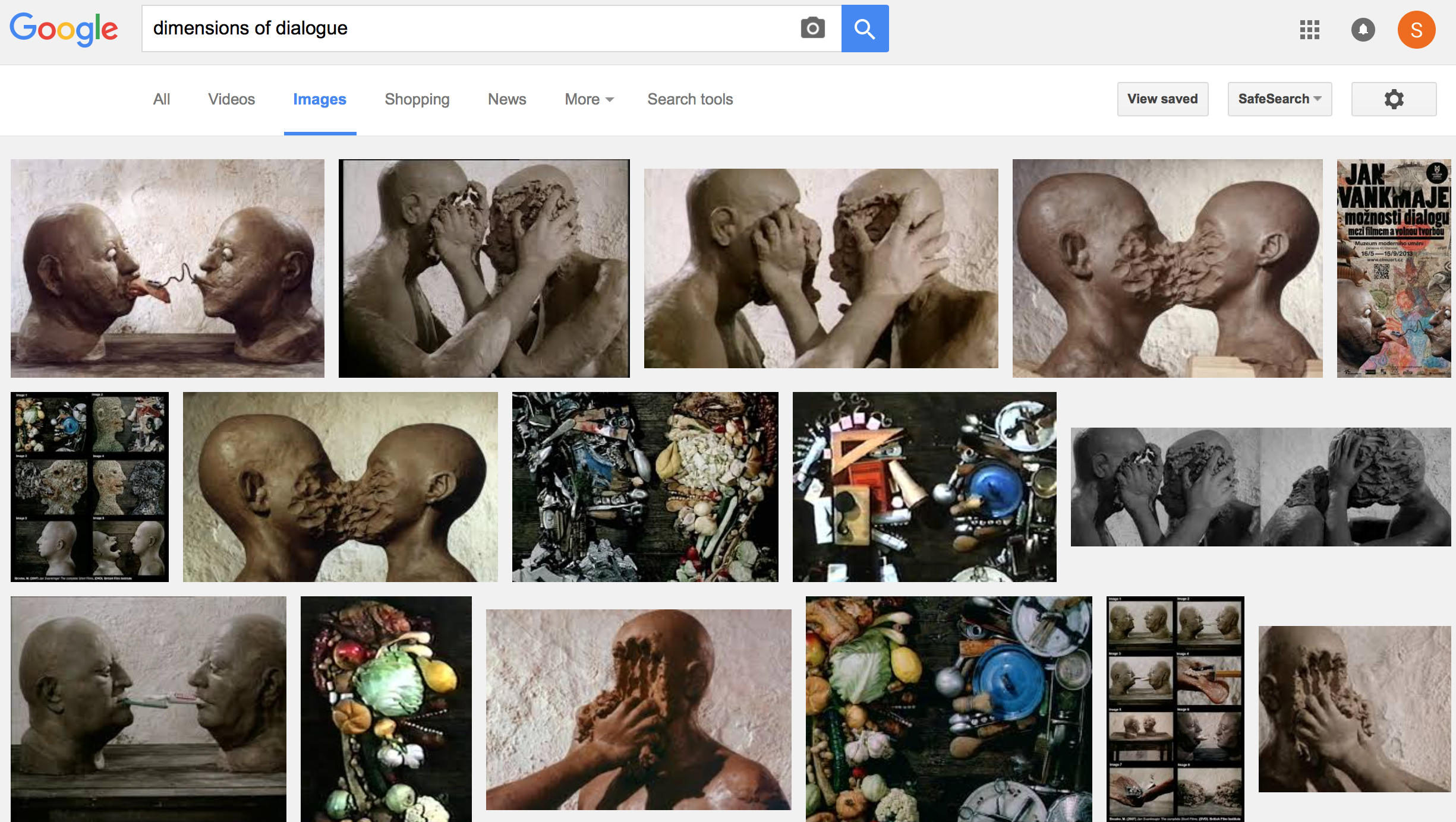
YOUR LAST GOOGLE IMAGE SEARCH
YOUR FAVORITE KIDS' SONG
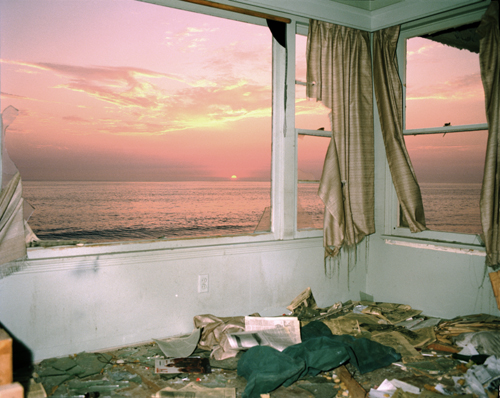
A PICTURE YOU WISH YOU'D TAKEN
WHAT ADVICE DO YOU WISH YOU COULD GIVE YOUR 15-YEAR-OLD SELF?
Don’t take unsolicited advice from anyone, not even your middle-aged, time-traveling self.